Navigating Interconnected Link Systems in Gaming Resource Hubs and Their Effects on Secure Poker Platform Identification
Riley Wagner · Sep 24, 2026

Navigating Interconnected Link Systems in Gaming Resource Hubs and Their Effects on Secure Poker Platform Identification
Link ecosystems in gaming resource hubs consist of interconnected hyperlinks that connect directories, review platforms, and regulatory databases, and these structures influence how users locate verified poker sites while maintaining security standards. Observers note that such networks rely on a combination of internal navigation links, external authority references, and verification signals that help filter out unverified platforms from search results and recommendation lists.
Researchers have tracked how these ecosystems operate through layered connections where a central hub page links outward to regulatory compliance records, user verification tools, and third-party security audits, and data shows that this layering creates pathways that prioritize sites with established licensing from multiple jurisdictions. In September 2026 reports from industry tracking services highlighted a 23 percent increase in cross-referenced links between North American and European gaming directories, a development that coincided with updates to platform verification protocols.
Components of Link Ecosystems in Gaming Hubs
Link ecosystems contain several core elements including hub-to-hub referrals, category-specific navigation, and trust-anchor connections that point toward licensing bodies or security certifiers. Those who study these systems have documented how a single resource hub might maintain dozens of outgoing links to poker platforms that carry active licenses from bodies such as the Alcohol and Gaming Commission of Ontario, while also maintaining incoming links from smaller aggregator sites that funnel traffic toward established directories.
Internal linking within a hub organizes content into clusters where rules pages connect to strategy resources and then to site listings, and this organization allows search engines to map authority across related topics. External links extend the ecosystem by referencing academic studies on online transaction security or reports from organizations like the European Gaming and Betting Association, thereby adding layers of credibility that influence ranking algorithms.
Security Implications for Poker Site Discovery
Secure poker discovery depends on the quality and verification status of links within these ecosystems, since unverified or low-authority connections can direct users toward platforms lacking proper encryption or licensing. Studies from university research groups have examined how link velocity, the speed at which new connections appear, correlates with the emergence of secure versus non-secure sites in search rankings, and findings indicate that hubs with slower, more deliberate link growth tend to maintain higher verification standards.
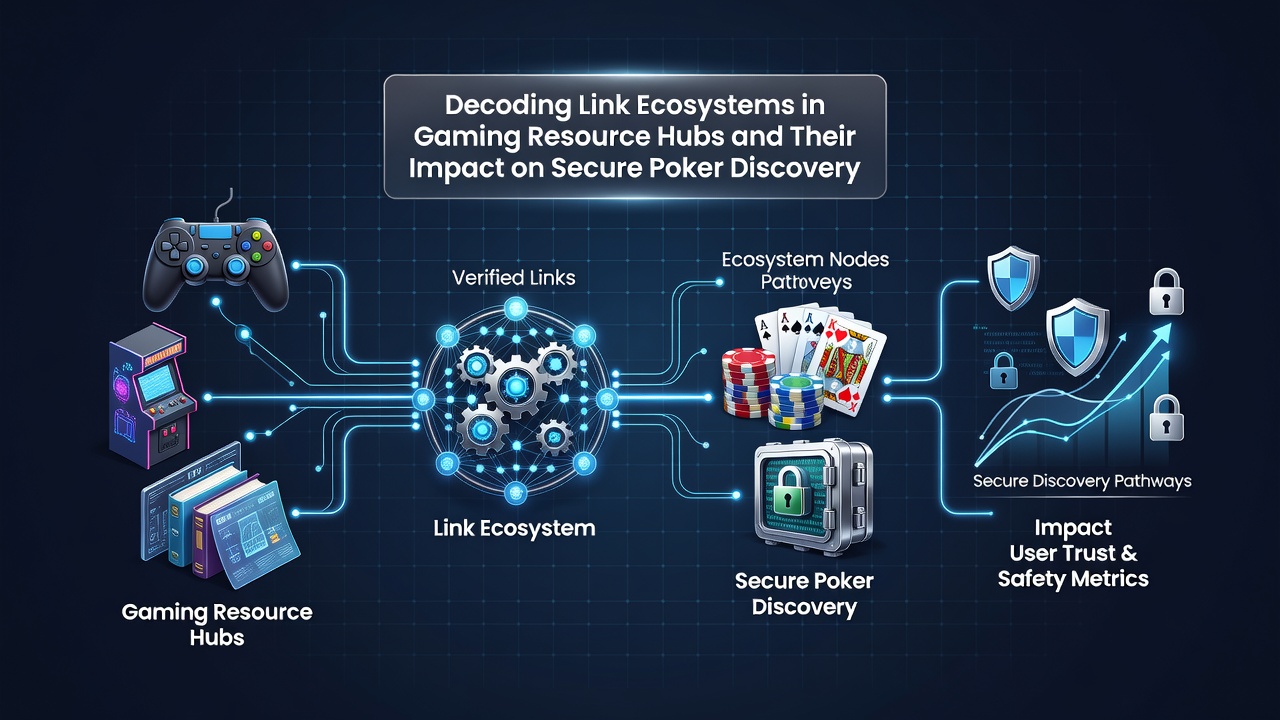
Regulatory updates in multiple regions have prompted hubs to adjust their linking practices, and observers note that platforms now embed more direct references to state-level oversight agencies such as the Pennsylvania Gaming Control Board. This shift strengthens the ecosystem by creating traceable paths from user queries to licensed operators, reducing exposure to sites that operate outside established frameworks.
Patterns Observed Across Geographic Regions
Different regions exhibit distinct link ecosystem characteristics, with North American hubs often emphasizing state-by-state licensing connections while Australian directories incorporate more references to federal communications oversight. Data from the Australian Communications and Media Authority reveals that link patterns in that market favor connections between consumer protection resources and poker platform listings, a structure that supports safer discovery for users searching across borders.
European hubs meanwhile integrate cross-border compliance signals more frequently, and analysts have recorded higher densities of links pointing to multi-jurisdictional verification services. These variations affect how quickly new poker platforms gain visibility within secure discovery channels, since algorithms weigh regional authority signals differently depending on the originating hub's primary audience.
Conclusion
Link ecosystems in gaming resource hubs continue to shape secure poker discovery through structured networks of verified connections, regulatory references, and security signals. Patterns documented across regions demonstrate that deliberate link placement and verification practices contribute to more reliable pathways for users seeking licensed platforms, while ongoing developments in September 2026 and beyond suggest these systems will keep evolving in response to regulatory and technological changes.